
The phrase “my body, my choice” has become a defining slogan in the modern debate over abortion. At first glance, it sounds simple and self-evident: a person should have the right to make decisions about their own body. But when we apply this principle to the issue of abortion, the situation becomes far more ethically complex—because in every pregnancy, there is not one body involved, but two. And the second body—the unborn child—does not yet have the ability to speak or defend itself.
Tag Archives: Politics
When Good Ideas Go Too Far: How We Find the Path Back to Shared Values and Goals

The article critiques the evolution of various social movements from noble intentions to rigid ideologies that deepen societal divides. It highlights how the beliefs of both the extreme left and right can stifle empathy and constructive dialogue, causing polarization. Ultimately, it advocates for nuanced conversations that honor individual experiences while fostering mutual understanding and shared values.
We Chose the Wrecking Ball: Why Trump Still Has Our Vote
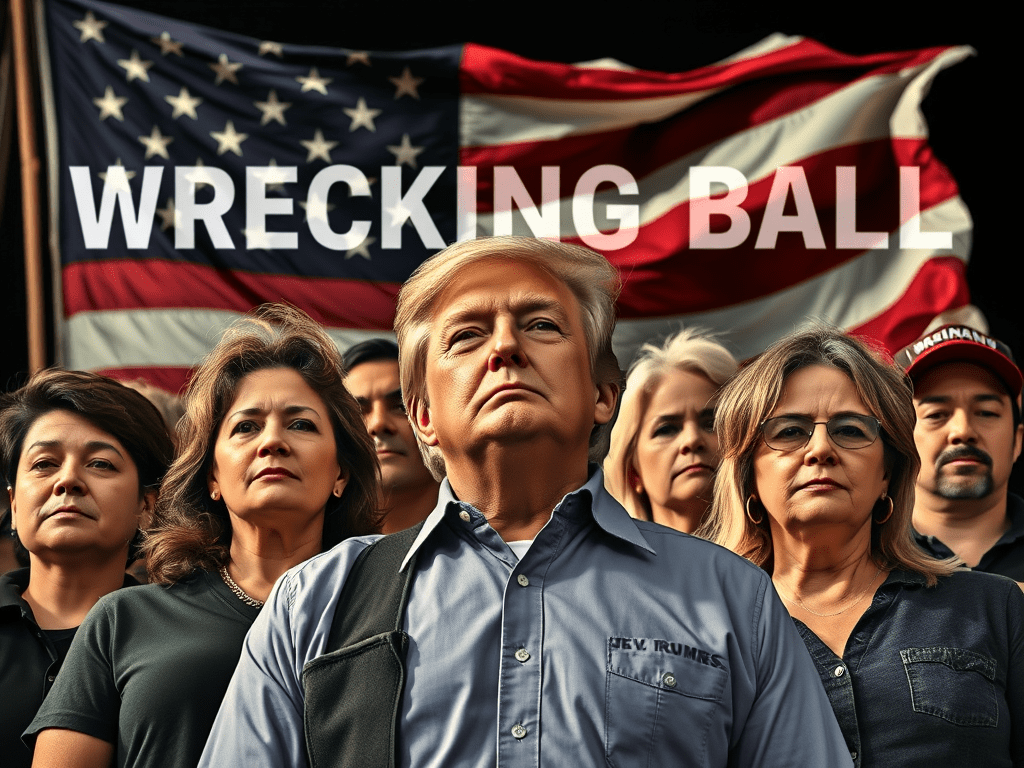
Supporters of Donald Trump assert their unwavering loyalty, emphasizing his role in fighting for the working class against elite disdain, political correctness, and establishment betrayals. They view his blunt approach as refreshing and necessary, vowing to defend traditional values and combat ideological manipulation, especially concerning children.
The Boy Who Cried “Threat to Democracy”: How Alarmism and Lawfare Erode Trust and Democratic Integrity

The left’s overuse of “threat to democracy” rhetoric and lawfare against conservatives has eroded public trust and polarized political discourse. This has diminished credibility, making it harder for citizens to recognize real threats to democracy.
When Control Becomes the Coffin: How Censorship Kills Political Parties From Within

Political parties falter when they suppress dissent to maintain power. Censorship signals insecurity and hinders growth, fostering a culture of fear. Healthy debate strengthens parties, while silence leads to decay. Members must organize, demand transparency, and support reformers to reclaim their party’s purpose and prevent irrelevance. Silence equals surrender.
Sabotaging Ourselves: Why Internal Division Threatens the Republican Future

The Republican Party internally struggles with power dynamics, resisting change and collaboration with new movements like Turning Point USA. Embracing these young conservatives is crucial for future success and unity.
Forget the Infighting—Your Conservative Vote Still Matters, Even in Blue Cities

Recent internal conflicts among Republicans have undermined their political strength, leading to missed opportunities and losses in local elections. Infighting distracts from shared values and weakens the party. To regain influence, Republicans must prioritize unity, focus on engaging voters, support relevant candidates, and address real issues affecting their communities.
Getting Involved in Local Government: Finding Your Voice and Making a Difference

Engaging in local government allows individuals to influence their community positively, regardless of political affiliation. By understanding meeting structures, adhering to transparency laws, and focusing on collaborative problem-solving, citizens can advocate for responsible policies. Effective communication and a solutions-oriented approach can help bridge political divides and improve community outcomes.
 Musings By Rebecca