

In elections, candidates must remain focused on their specific role to avoid confusion and dilute their message. Engaging in unrelated topics can create unrealistic voter expectations and damage credibility. A disciplined, relevant campaign fosters trust and demonstrates leadership, while addressing local issues effectively connects with the community and ensures electoral success.
Category Archives: Musings
Sabotaging Ourselves: Why Internal Division Threatens the Republican Future

The Republican Party internally struggles with power dynamics, resisting change and collaboration with new movements like Turning Point USA. Embracing these young conservatives is crucial for future success and unity.
Bringing Back the Heart of Our Community: Choosing Peace and Kindness Over Division

The village is facing challenges due to political division that has led to fear and mistrust among residents. Abusive behavior and toxic disagreements have harmed community unity. To heal, it’s essential to foster dialogue, kindness, and shared values. By promoting understanding and respect, the community can rebuild trust and connection.
When Your Own Team Keeps Dropping the Ball: A Voter’s Frustration—And a Way Forward

The article discusses the challenges faced by a political party that struggles with internal discord, ineffective leadership, and mixed messaging, which alienates voters and dedicated members. It emphasizes the need for respect, unified communication, and support for grassroots efforts to regain trust, focus on solutions, and ultimately succeed in elections.
Born to Disrupt: Turning Pain into Power and Silence into Strength

Rebecca Witherspoon reflects on the transformative power of clarity and truth, emphasizing the importance of confronting illusions and living authentically. Overcoming trauma taught her to reclaim her voice and purpose, becoming a lightning rod for others seeking truth. She advocates for embracing discomfort as a pathway to awakening and empowerment.
So You’re Thinking of Running for Local Office in Wisconsin But Don’t Know Where to Start?
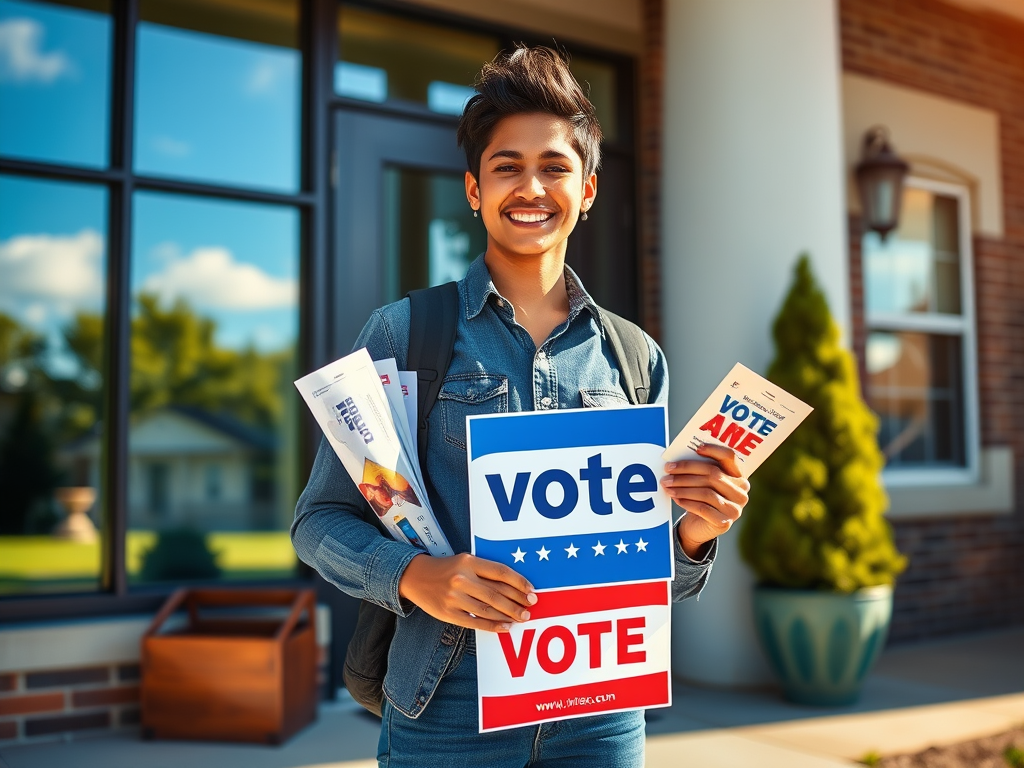
This guide by Rebecca Witherspoon outlines crucial steps for individuals aspiring to run for local office in Wisconsin. It covers declaring candidacy, forming a campaign committee, securing an EIN, and tracking campaign finances. Emphasizing transparency and community involvement, the guide encourages potential candidates to seek support throughout the process.
Movements Win When the Unsung Heroes Show Up

Successful movements rely on the collaboration between strong leaders and dedicated followers. While leaders provide clear vision and integrity, followers contribute their talents and commitment to advance the mission. Unity and teamwork are crucial to create impact, as each individual’s effort fosters community strength and ensures that collective goals are achieved.
Forget the Infighting—Your Conservative Vote Still Matters, Even in Blue Cities

Recent internal conflicts among Republicans have undermined their political strength, leading to missed opportunities and losses in local elections. Infighting distracts from shared values and weakens the party. To regain influence, Republicans must prioritize unity, focus on engaging voters, support relevant candidates, and address real issues affecting their communities.
The Dark Side of Politics: The Hidden Cost of Smear Tactics and How They’re Poisoning Democracy

Politics has shifted from policy discussions to personal attacks, often fueled by social media. Smear campaigns are on the rise, particularly from far-left activists. This trend undermines democracy and discourages qualified individuals from entering politics. Society must reject these tactics, advocate for civil discourse, and refocus on substantive issues.
Bridging the Divide: Understanding Liberals, Conservatives, and the American Middle

The ideological divide in America, primarily between liberals and conservatives, revolves around differing views on government roles and individual liberty. While liberals embrace government as a force for social good, conservatives advocate for limited government due to concerns of overreach. Centrists seek efficient governance without excessive control, aiming for civic engagement to stabilize political discourse. Solutions require shared values, mutual respect, and committed participation to bridge this divide effectively.
 Musings By Rebecca